


-

Add: HeBei ShengShi HongBang Cellulose Technology CO.,LTD.
-

Email
13180486930@163.com -

CONTACT US
+86 13180486930
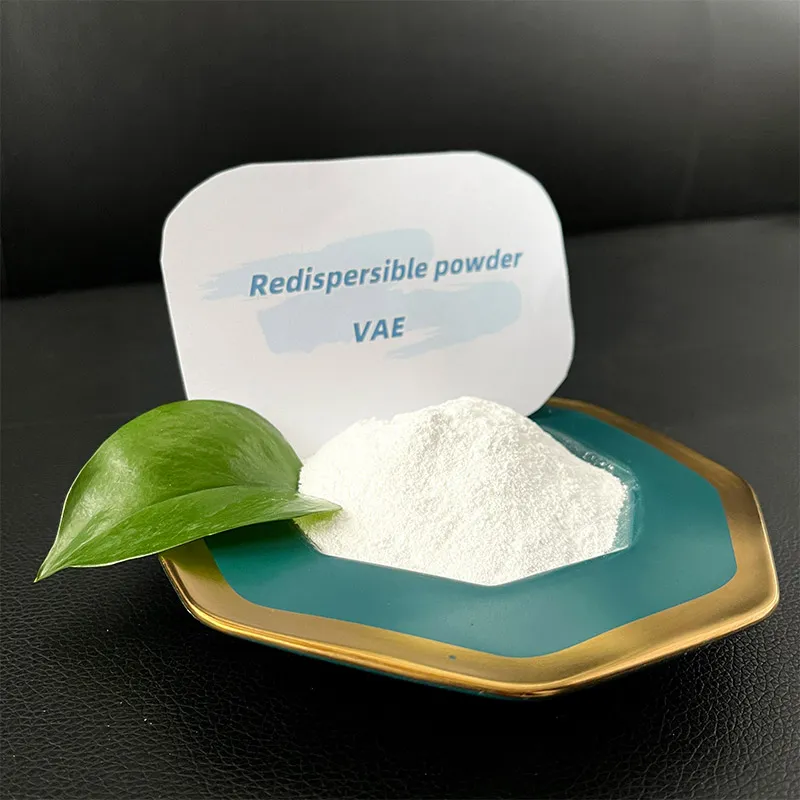
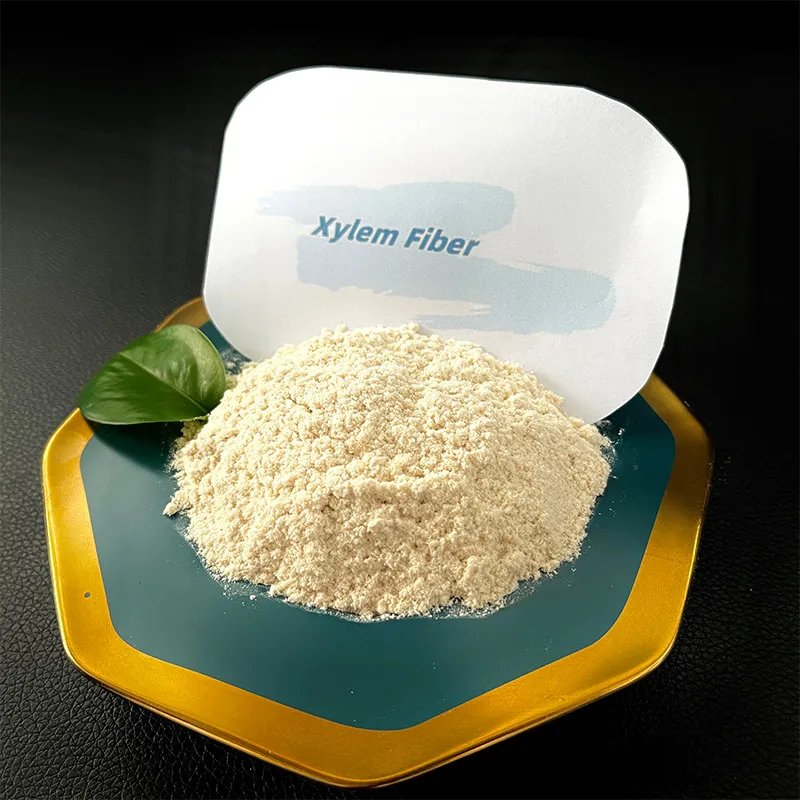
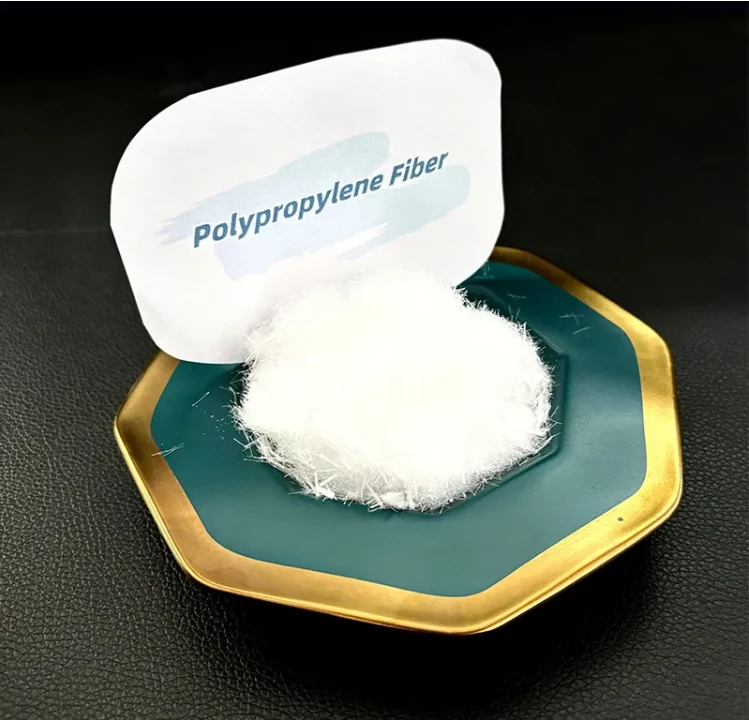
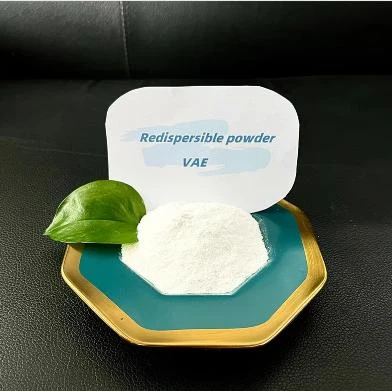


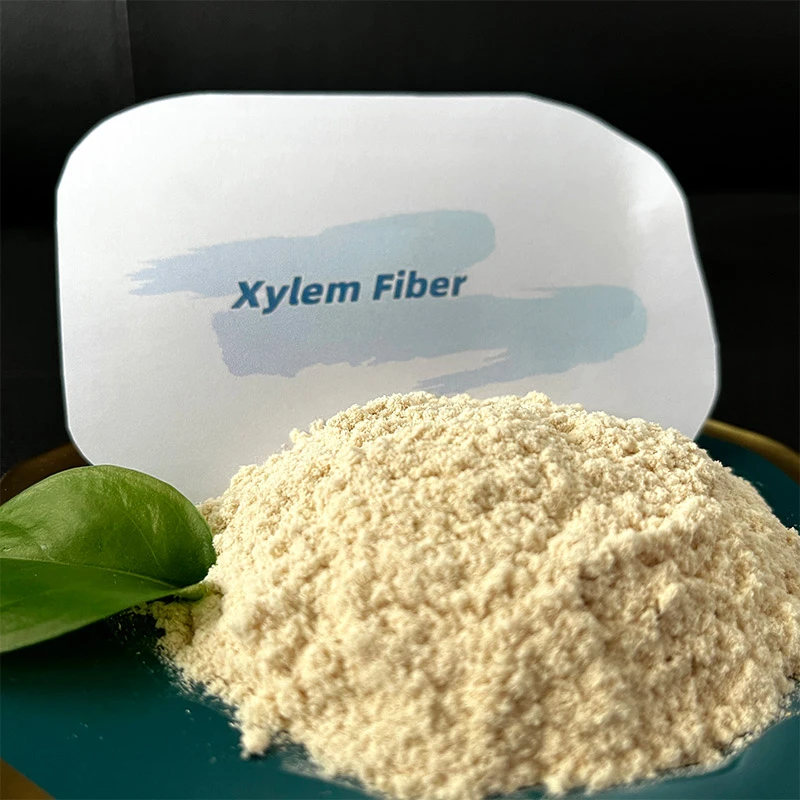
Introduction to Xylem Fiber Xylem fiber, a natural and renewable resource derived from wood, has gained significant attention in various industries due to its eco-friendly attributes and versatility. This organic flocculent fiber material undergoes a series of chemical treatments and mechanical processing, transforming it into a high-quality product suitable for an array of applications. As industries shift towards sustainable practices, the use of xylem fiber aligns seamlessly with the goals of environmental responsibility and resource efficiency. Learn more about xylem fiber . Key Features of Xylem Fiber Renewable Resource: Derived from wood, xylem fiber is a sustainable alternative to synthetic materials, reducing reliance on non-renewable resources. Enhanced Strength and Durability: When incorporated into concrete and mortar mixes, xylem fiber improves structural integrity and longevity. Biodegradable Properties: Its natural composition ensures that products made with xylem fiber decompose safely, minimizing environmental impact. Adaptability: Suitable for diverse applications, including construction, asphalt, and household products, showcasing its multifunctional nature. Technical Specifications Parameter Details Material Type Wood-derived organic fiber Processing Method Chemical treatment and mechanical processing Application Areas Concrete, mortar, gypsum products, asphalt, MDF, wood pulp sponges Environmental Impact Biodegradable, reduces carbon footprint Strength Enhancement Improves durability and resistance in construction materials Advantages of Xylem Fiber Xylem fiber offers a multitude of benefits that make it a preferred choice in modern manufacturing. One of its primary advantages is its ability to enhance the performance of construction materials. By integrating xylem fiber into concrete and mortar, engineers can achieve greater strength and durability, which is crucial for infrastructure projects. Additionally, its use in gypsum products improves structural integrity, making it a valuable component in the production of wallboards and other building materials. Another significant advantage is its biodegradability. Unlike synthetic fibers, xylem fiber decomposes naturally, reducing landfill waste and environmental pollution. This makes it an ideal choice for industries aiming to meet sustainability goals. Furthermore, the fiber's absorbent properties are particularly beneficial in the production of wood pulp sponges, offering a biodegradable alternative to traditional synthetic sponges. Explore xylem fiber applications . Application Scenarios Xylem fiber is utilized across various industries, each leveraging its unique properties to enhance product performance. In the construction sector, it plays a critical role in improving the quality of concrete and mortar mixes. The fiber's ability to distribute stress evenly within the material reduces cracking and increases resistance to environmental factors. This makes it an essential component for high-performance construction projects. In the asphalt industry, xylem fiber acts as a reinforcing agent, enhancing the resilience and longevity of road surfaces. By improving the cohesion of asphalt mixtures, it contributes to the development of more durable and cost-effective roadways. Additionally, in the manufacturing of medium density fiberboard (MDF), xylem fiber serves as a key ingredient, enabling the production of sturdy and sustainable building materials that are increasingly being adopted in the home-building sector. The fiber's versatility extends to the production of wood pulp sponges, where its absorbent properties make it an ideal material for cleaning and household applications. This biodegradable alternative aligns with the growing demand for eco-friendly products. Discover more about xylem fiber uses . Company Background HeBei ShengShi HongBang Cellulose Technology CO.,LTD. is a leading company in the production and supply of xylem fiber and related products. With a commitment to sustainability and innovation, the company has established itself as a reliable source for high-quality cellulose materials. Their expertise in processing wood into versatile fibers has made them a key player in the global market for eco-friendly materials. The company's focus on responsible forestry practices ensures that the cultivation and processing of xylem fiber contribute to ecosystem balance and support efforts against climate change. By prioritizing renewable resources, HeBei ShengShi HongBang not only meets the demands of modern industries but also promotes environmental stewardship. Learn more about HeBei ShengShi HongBang . Environmental Impact and Sustainability The integration of xylem fiber into manufacturing processes has a profound impact on environmental sustainability. By reducing the need for traditional raw materials, it lowers the carbon footprint associated with production. This shift towards natural resources is crucial in the context of climate change, as industries seek to minimize their environmental impact while maintaining product quality. Furthermore, the cultivation of wood for xylem fiber promotes responsible forestry practices, ensuring that forests are managed in a way that preserves biodiversity and supports local ecosystems. This approach not only benefits the environment but also contributes to the economic well-being of communities reliant on forestry. The emphasis on sustainability is a testament to the company's commitment to ethical practices and long-term environmental health. Future Prospects and Innovations The potential of xylem fiber is vast, with ongoing research and development aimed at expanding its applications. As industries continue to evolve, the demand for sustainable materials will likely increase, driving further innovation in the use of xylem fiber. This includes exploring new ways to enhance its properties and develop entirely new products that meet the changing needs of the market. Moreover, the collaboration between companies like HeBei ShengShi HongBang and research institutions can lead to breakthroughs in material science, paving the way for more efficient and environmentally friendly manufacturing processes. By investing in research, the industry can unlock new possibilities for xylem fiber, ensuring its relevance in a rapidly changing world. Stay updated on xylem fiber innovations . Conclusion Xylem fiber represents a significant step forward in the integration of natural resources into modern manufacturing. Its versatility, eco-friendly attributes, and ability to enhance product performance make it an invaluable asset across various industries. As the demand for sustainable solutions continues to grow, the role of xylem fiber will become increasingly important in shaping the future of construction, materials science, and environmental stewardship. By choosing xylem fiber, manufacturers can contribute to a more sustainable future while meeting the needs of consumers. The continued exploration and utilization of this natural resource will be paramount in driving innovation and ensuring the responsible management of our planet's resources. Explore xylem fiber solutions today .
- 40000tons

Production
- 20+years

Experience
- 5000+㎡

Acreage

-
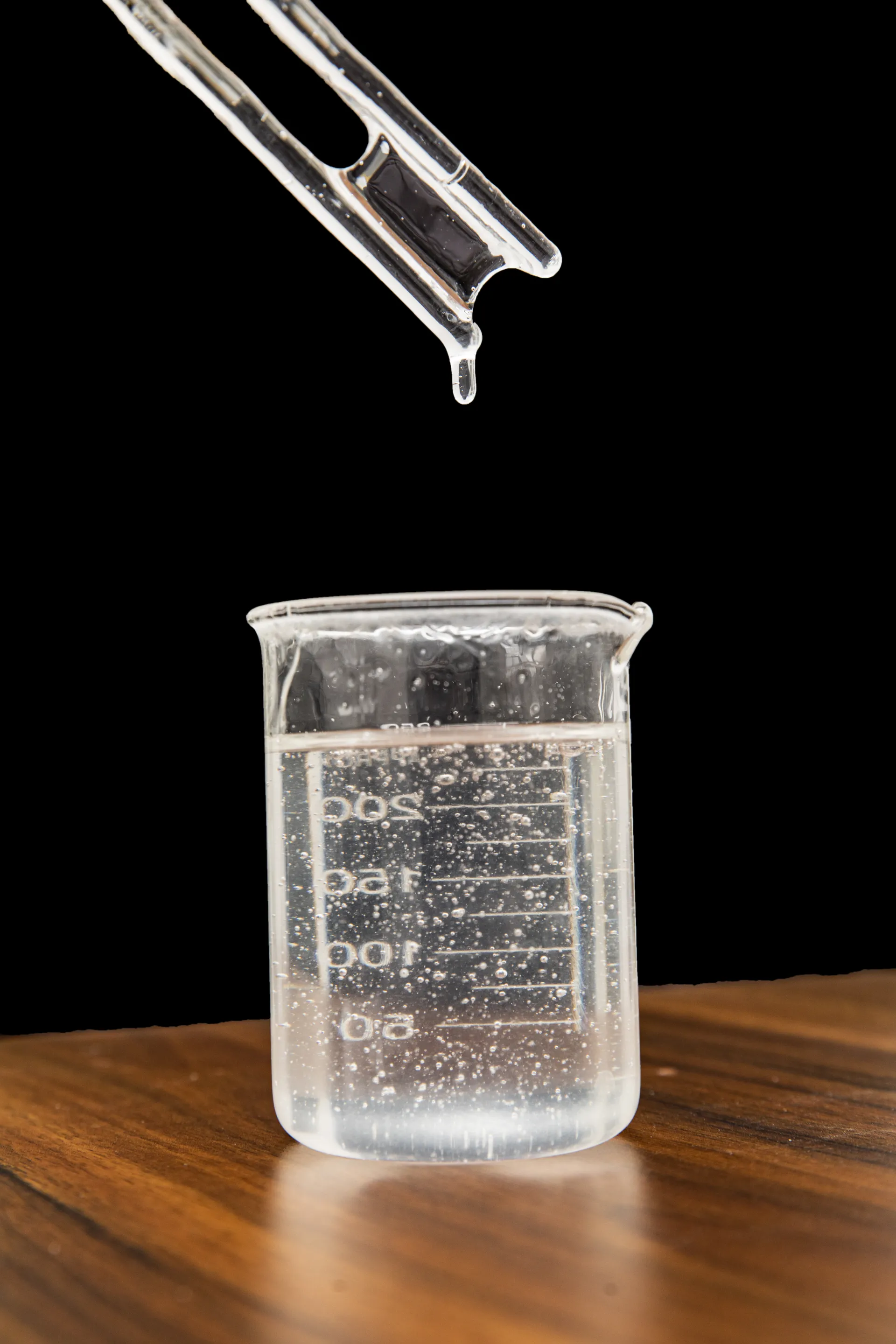
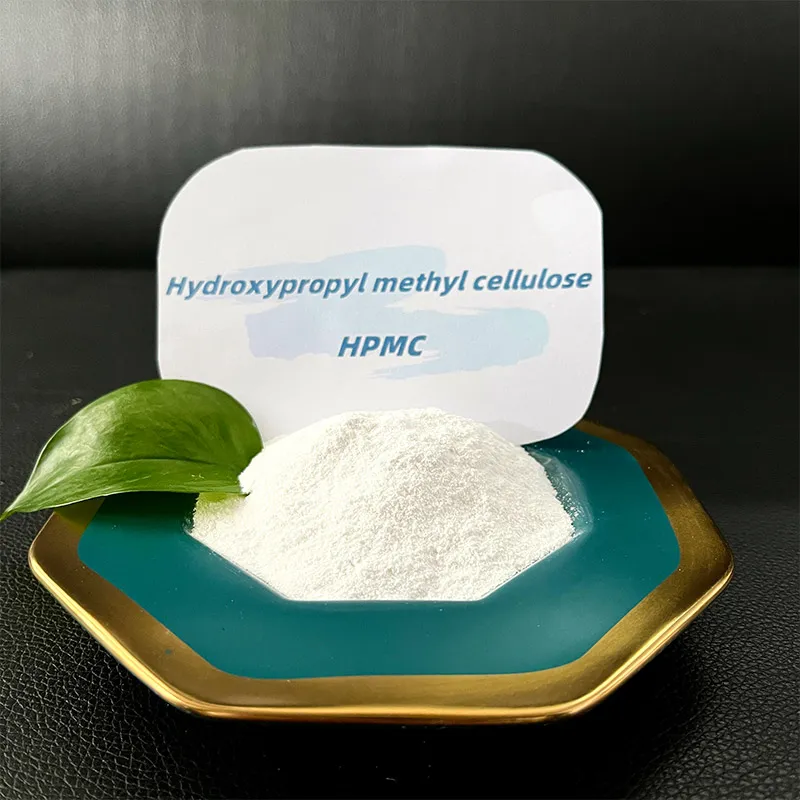
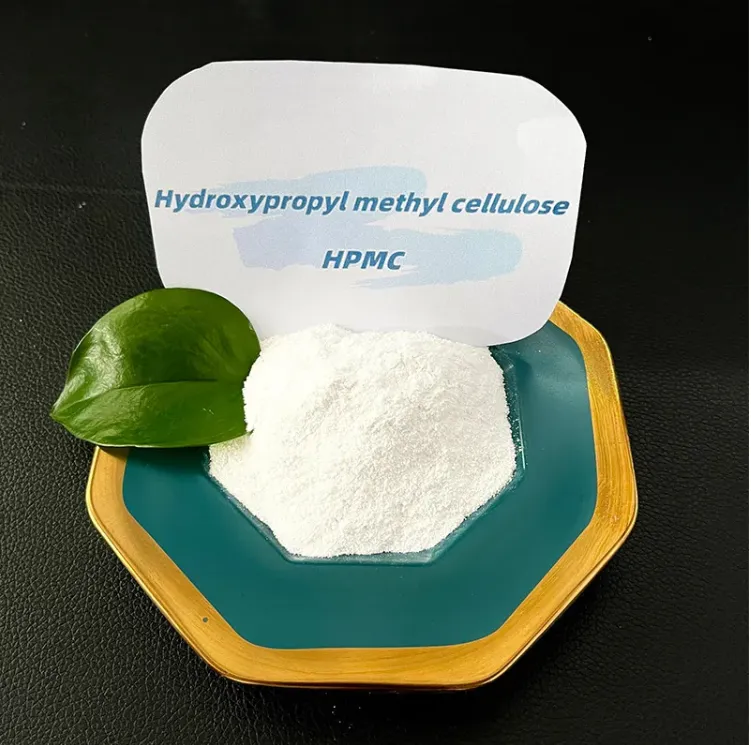
Hydroxypropyl methylcellulose (HPMC) and methyl hydroxyethyl cellulose (MHEC) are both crucial compounds in the construction and pharmaceutical industries, primarily known for their roles as thickeners, binders, and emulsifiers. Despite their similar appearances and overlapping functions, distinct chemical compositions and properties set them apart, leading to their unique applications. HPMC is a nonionic cellulose ether derived from the chemical modification of cellulose through methyl and hydroxypropyl groups. This modification lends HPMC several distinct properties, such as high water retention, film formation, and thermal gelation abilities. These characteristics make it indispensable in the construction industry, particularly in tile adhesives, cement renders, and gypsum products. Its ability to retain moisture is crucial in preventing cracking and improving workability during construction applications. Moreover, HPMC's bio-compatibility and non-toxic nature make it highly suitable for pharmaceutical applications, including drug delivery systems for controlled release, where precise administration of medication is paramount. On the other hand, MHEC, which boasts modifications with methyl and hydroxyethyl groups instead, has been designed to exhibit a high level of solubility in cold water and improved workability in formulations. This makes it particularly valuable for applications requiring excellent water retention and slip resistance, such as in the formulation of cement-based mortars. MHEC effectively enhances adhesion and open time, essential in ensuring superior bonding and satisfactory application of paints and coatings. Additionally, its ease of dissolution in both hot and cold water grants it versatility and adaptability across an array of conditions. When comparing HPMC and MHEC, it's essential to highlight their distinctive thermal gelation properties. HPMC exhibits a more clearly defined gel point temperature, making it advantageous for products requiring stability under varied temperature conditions. This characteristic is particularly pivotal in construction settings where temperature fluctuations can significantly impact material performance. MHEC, while also possessing thermal gelation capabilities, delivers slightly different responses to temperature changes, which can be selected based on specific application needs. difference between hpmc and mhec Sustainability and safety are ever-increasing concerns in contemporary industrial practices. Both HPMC and MHEC align well with these values, as they are derived from natural cellulose and are biodegradable. However, HPMC is often preferred in the pharmaceutical sector due to its long-standing safety profile and extensive research supporting its use in consumable products. MHEC, while also safe, does not boast the same depth of usage history in the pharmaceutical industry, which may influence its selection for certain drug formulations. Application cost is another factor distinguishing HPMC from MHEC. While both cellulose ethers are similarly priced, slight variations can occur based on supply chain dynamics and regional availability. Generally, the choice between these two compounds will hinge on the specific functional requirements of the application rather than economic differences . Decision-makers in industries where precise formulations are critical should conduct rigorous testing to determine which compound best meets their needs. In conclusion, while both HPMC and MHEC serve as valuable assets in numerous industrial applications, careful consideration of their unique properties and specific application requirements is imperative. The differences in solubility, thermal behavior, and historical usage suggest that neither is inherently superior but rather suited to different scenarios. By leveraging the precise attributes of each cellulose ether, companies can optimize their formulations for improved performance and cost-effectiveness. Understanding these nuances not only enhances manufacturing processes but also aligns product development with evolving industry standards and sustainability goals.
-
Polimer Un Taği Zamonaviy Texnologiyalar va Qishloq Xo‘jaligida Qo‘llanilishi Polimer un taği, zamonaviy materiallar muhitida muhim o‘rin tutadi. U polimerlarning mikroskopik qismlaridan tashkil topgan bo‘lib, ko‘plab sohalarda qo‘llaniladi, ayniqsa qishloq xo‘jaligida. Ushbu maqolada polimer un tağinin nimadan iboratligi, uning xususiyatlari va afzalliklari haqida so‘z yuritamiz. Polimer un taği, asosan, plastik materiallardan yaratiladi. Un taği sifatida qo‘llanilishidan maqsad, qishloq xo‘jaligida tuproqni yaxshilash, o‘simliklarni himoya qilish va yig‘im-terim jarayonlarini soddalashtirishdir. Bu materiallar nafaqat o‘simliklar uchun ozuqa manbai bo‘lib xizmat qiladi, balki tuproqning fizik va kimyoviy xususiyatlarini ham yaxshilaydi. . Bundan tashqari, polimer un taği tuproqni mahkamlaydi va uning strukturaviy yaxlitligini ta’minlaydi. Bu, o‘simliklarning ildiz tizimining yanada yaxshi rivojlanishiga yordam beradi. Tuproqning tuzilishi yaxshi bera olishi va havo almashinuvi yaxshi bo‘lishi natijasida, o‘simliklar sog‘lom va kuchli bo‘lib o‘sadi. полимер ұнтағы Polimer un taği, shuningdek, tuproqning kimyoviy xususiyatlarini yaxshilashda ham muhim rol o‘ynaydi. U tuproqdagi minerallarni va boshqa oziq moddalarni eng qiyin sharoitlarda ham saqlab qolish imkonini beradi. Natijada, o‘simliklar uchun zarur bo‘lgan ozuqa moddalarining samarali singishi ta’minlanadi. Qishloq xo‘jaligi sohasida polimer un tağini qo‘llash nafaqat o‘simliklarning samarali o‘sishini ta’minlaydi, balki bu jarayonni iqtisodiy jihatdan ham foydali qiladi. O‘simliklar yuqori hosil berishiga olib kelishi, fermerlar uchun moliyaviy jihatdan foydali bo‘ladi. Shuningdek, bu usul qishloq xo‘jaligida resurslarni tejashga yordam beradi, chunki suv va yeyish quvvatlari ancha samarali ishlatiladi. Shuni ta’kidlash kerakki, polimer un tağinin iste'moli va ishlatilishi ekologik jihatdan ham xavfsizdir. Tobora ko‘proq fermerlar va agronomlar bu materialni tanlaydilar, chunki u tuproqning ekotizimini buzmaydi va tabiatga zarar yetkazmaydi. Demak, polimer un taği nafaqat odamlar uchun, balki atrof-muhit uchun ham foydali materialdir. Xulosa qilib aytganda, polimer un taği zamonaviy qishloq xo‘jaligida juda muhim va foydali materialdir. Uning suvni ushlab turish, tuproqni yaxshilash va o‘simliklar hosilini oshirishdagi o‘rni har bir fermer va agronom uchun ahamiyatlidir. Polimer un tağini qo‘llash orqali qishloq xo‘jaligida samaradorlikni oshirish, istiqbolli kelajakni yaratish mumkin.
advantages
-

200000 Viscosities
Excellent product
We can produce pure products up to 200,000 viscosities
-

40000 tons
High yield
We don’t stop production all year round, and the annual output can reach 40,000 tons
-

24 hours
Quality service
We provide 24-hours online reception service, welcome to consult at any time
———— Inquiry Form
Schedule A services

-
 hpmc_market
Oct . 25, 2025
The Producers of Starch Ether An Overview Starch ethers are innovative chemical derivatives produced -
 retardateur_de_platre
Oct . 25, 2025
Rubber powder is a valuable material derived from the recycling of used tires and rubber products. I -
 hpmc_e50
Oct . 25, 2025
Hydroxypropyl methylcellulose (HPMC) is a versatile polymer widely used in the pharmaceutical, food,


